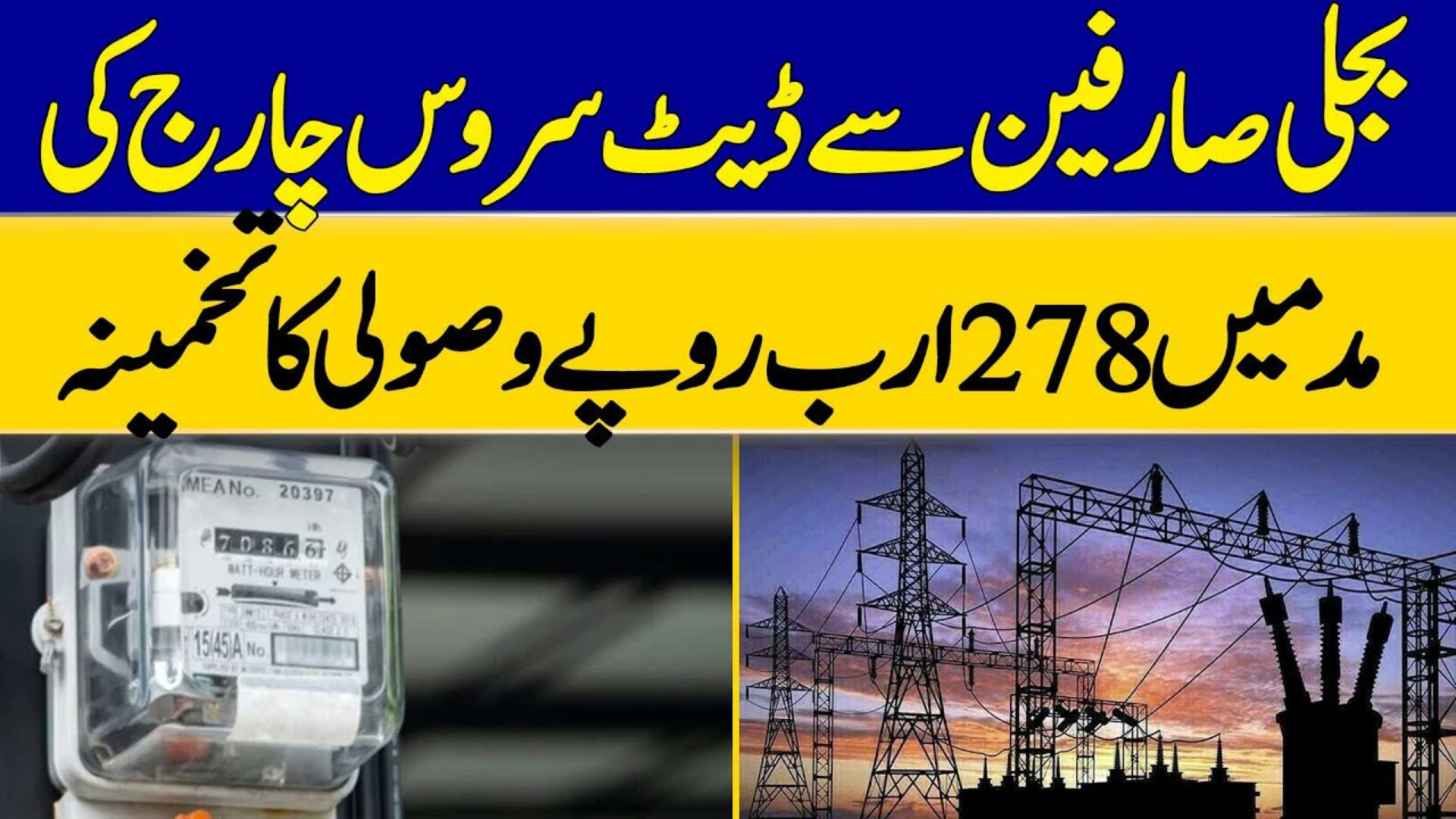

Pakistan Govt to Recover Rs. 278 Billion via Electricity Surcharge. Electricity consumers in Pakistan are set to face another financial hit. The federal government plans to collect an additional Rs. 278 billion from power users during the current fiscal year to manage the country’s growing power sector circular debt. This amount will be recovered through a debt servicing surcharge already applied to electricity bills.
Finance Ministry sources say the move is aimed at preventing further instability in the power sector. However, the burden will largely fall on households and businesses already struggling with high electricity tariffs and rising living costs.
What Is Circular Debt in Pakistan Power Sector?
Circular debt refers to unpaid bills and financial obligations within the power sector. It starts when electricity consumers do not fully pay their bills or when tariffs do not cover actual costs. This leads to a chain reaction:
- Distribution companies cannot pay power producers
- Power producers cannot pay fuel suppliers
- Fuel suppliers delay or reduce supply
- The government steps in with loans or surcharges
Over time, this cycle creates a massive debt pile that keeps growing despite repeated interventions.
Govt Plan to Recover Rs. 278 Billion
According to Finance Ministry sources, the government will recover Rs. 278 billion through the debt servicing surcharge imposed on electricity users.
Breakdown of the Rs. 278 Billion Recovery
| Purpose | Amount |
|---|---|
| Interest payments on circular debt | Rs. 156 billion |
| Repayment of principal amount | Rs. 122 billion |
| Total recovery target | Rs. 278 billion |
A large portion of the money will go toward interest payments, which means the actual debt burden may not reduce significantly.

Current Debt Servicing Surcharge Explained
At present, electricity consumers are paying a debt servicing surcharge of Rs. 3.23 per unit on their electricity bills.
Key Points About the Surcharge
- Applied nationwide
- Charged per unit of electricity consumed
- Separate from base tariff and taxes
- Specifically meant to fund circular debt payments
This surcharge has been in place for years and remains one of the government’s main tools for managing power sector liabilities.
Why the Circular Debt Keeps Growing
Despite regular recoveries, Pakistan’s circular debt continues to rise. Officials admit that repaying the principal should reduce the total debt. However, the current Circular Debt Management Plan does not clearly show a visible decline.
Major Reasons Behind Persistent Circular Debt
- High power generation costs
- Inefficient distribution companies
- Line losses and electricity theft
- Delayed tariff adjustments
- Dependence on expensive fuel imports
- Heavy interest payments on existing debt
As interest consumes a large share of collections, the debt stock remains under pressure.
Impact on Electricity Consumers
The biggest concern is the direct impact on consumers. Electricity bills in Pakistan already include multiple charges, taxes, and adjustments. The continued reliance on surcharges increases monthly expenses for both households and businesses.

How Consumers Are Affected
- Higher monthly electricity bills
- Increased cost of living for households
- Rising production costs for businesses
- Reduced competitiveness for industries
- Additional pressure on small traders
Many consumers feel trapped, as they have no alternative but to pay higher bills to avoid disconnections.
Impact on Businesses and Industry
Industries rely heavily on electricity for operations. With rising tariffs and surcharges, businesses face:
- Higher operational costs
- Reduced profit margins
- Increased prices of goods and services
- Risk of downsizing or layoffs
Export-oriented industries are particularly vulnerable, as higher energy costs reduce their ability to compete in international markets.
Govt Justification for the Decision
The Finance Ministry maintains that servicing circular debt is unavoidable. Officials argue that failure to manage the debt could lead to:
- Power shortages
- Payment defaults to producers
- Fuel supply disruptions
- System-wide instability
From the government’s perspective, passing the cost to consumers is necessary to keep the power sector running.

Why Consumers Are Paying the Price
While the government acknowledges the pressure on consumers, surcharges remain the fastest way to raise funds.
Key Reasons Consumers Bear the Burden
- Limited fiscal space for subsidies
- IMF-linked reform commitments
- Weak recovery from power sector entities
- High cost of borrowing
As a result, electricity users continue to finance inefficiencies in the system.
Is There Any Relief Expected?
Currently, there is no clear indication of immediate relief for consumers. The Circular Debt Management Plan focuses more on servicing obligations than eliminating the root causes.
Experts argue that without structural reforms, surcharges will continue for years.
What Needs to Change to Control Circular Debt
Energy analysts suggest that long-term solutions are essential.

Possible Structural Reforms
- Reducing electricity theft
- Improving bill recovery
- Modernizing distribution companies
- Shifting to cheaper energy sources
- Renegotiating power purchase agreements
- Reducing reliance on debt-based solutions
Without these changes, consumers will keep paying higher bills.
Public Reaction and Growing Concerns
The decision has raised concerns among the public, especially as inflation remains high. Many households are already cutting back on essentials due to utility costs.
Consumer groups argue that repeated surcharges punish honest bill payers while inefficiencies remain unaddressed.
Key Facts at a Glance
| Item | Details |
|---|---|
| Extra recovery planned | Rs. 278 billion |
| Interest payments | Rs. 156 billion |
| Principal repayment | Rs. 122 billion |
| Current surcharge | Rs. 3.23 per unit |
| Main burden bearer | Electricity consumers |
FAQs Pakistan Govt to Recover Rs. 278 Billion via Electricity Surcharge
Why is the government charging extra from electricity users?
To collect funds for servicing interest and principal payments of circular debt.
How much surcharge is currently applied?
Consumers are paying Rs. 3.23 per unit as a debt servicing surcharge.

Will this reduce circular debt?
Officials say principal repayment should help, but no clear reduction is visible.
Can the surcharge be removed?
Only if structural reforms reduce debt and improve power sector efficiency.
Who is most affected by this decision?
Households, small businesses, and energy-dependent industries.
Conclusion
The government’s plan to recover Rs. 278 billion from electricity users highlights Pakistan’s ongoing struggle with circular debt. While officials argue that servicing the debt is necessary to keep the power sector stable, the financial burden continues to fall heavily on consumers.
With interest payments consuming a major share of collections, the debt problem remains unresolved. Until deep structural reforms are implemented, electricity users are likely to face continued surcharges, higher bills, and growing financial pressure.