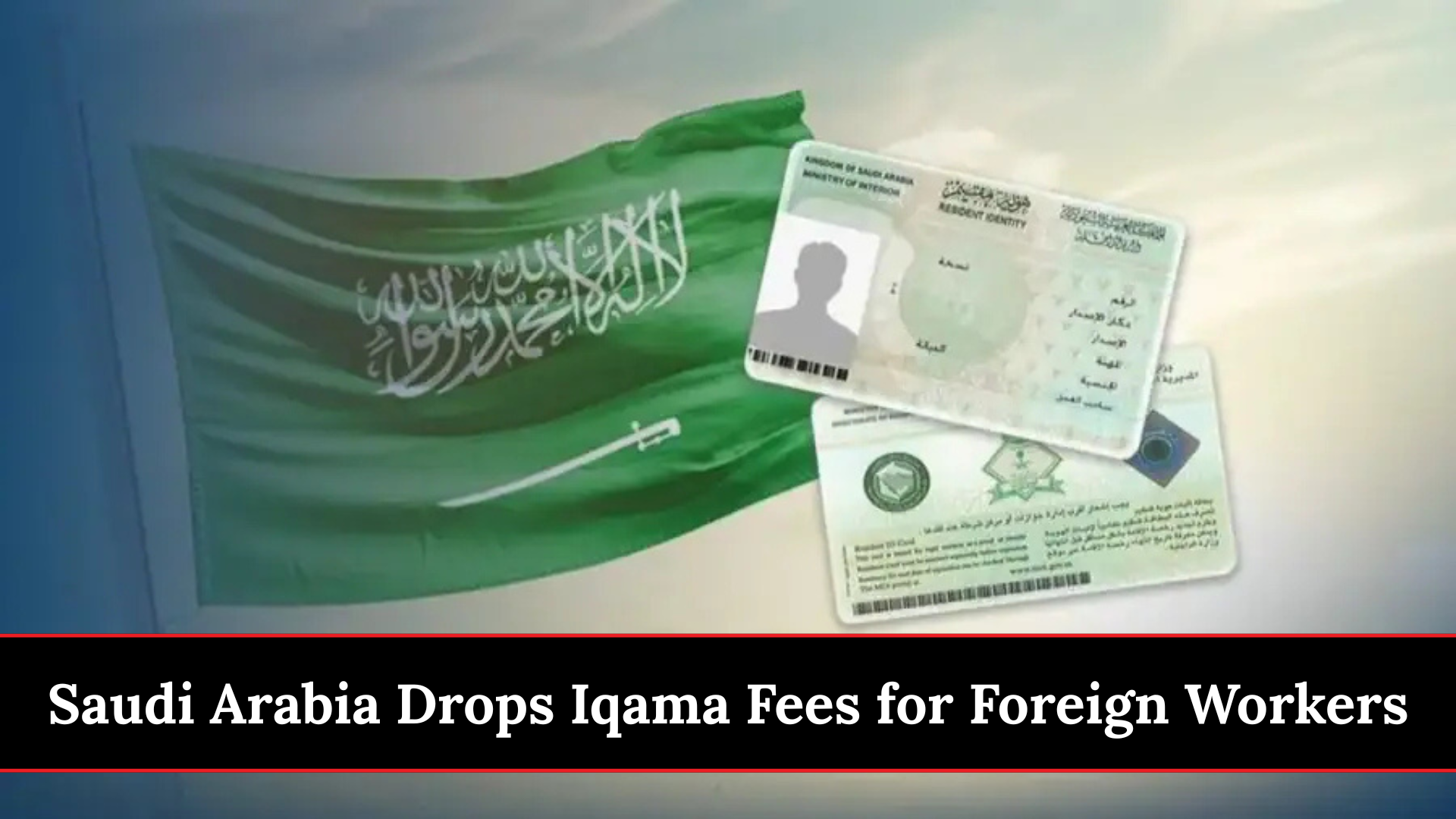

Drops Iqama Fees for Foreign Workers. Saudi Arabia has announced a major relief step for foreign workers by scrapping the iqama fee for expatriates working in licensed industrial establishments. This decision is expected to reduce costs for employers, boost industrial growth, and create new opportunities for overseas workers, especially from Pakistan.
Below is a complete, easy-to-understand guide explaining what this decision means, who will benefit, and how it can impact foreign employment in the Kingdom.
What Is the Iqama Fee in Saudi Arabia?
The iqama fee, also called the expatriate levy or work permit fee, is an annual charge paid by employers for hiring foreign workers.
For many years, this fee increased business costs and sometimes reduced demand for expatriate labor.
By removing this fee for the industrial sector, Saudi Arabia aims to strengthen its manufacturing base and attract skilled foreign manpower.
Saudi Arabia’s Official Decision Explained
The decision to drop iqama fees was approved by the Council of Ministers during a meeting chaired by Mohammed bin Salman, Crown Prince and Prime Minister of Saudi Arabia.

The move followed a recommendation from the Council of Economic and Development Affairs and was later confirmed by Saudi media outlets.
Key Point
The fee exemption applies only to licensed industrial establishments, not all sectors.
Why Saudi Arabia Removed Iqama Fees
Saudi Arabia is rapidly expanding its industrial and manufacturing base under Vision 2030. To support this growth, the Kingdom needs:
- Skilled foreign labor
- Lower operating costs for factories
- Increased competitiveness of local industries
Removing iqama fees helps employers hire more workers while keeping production costs under control.

Pakistan–Saudi Arabia Labor Connection
Saudi Arabia remains the largest destination for Pakistani workers. The impact of this decision is especially important for Pakistan.
Recent Remittance Data
- November remittances from Saudi Arabia: $753 million
- UAE remittances in the same period: $675 million
This shows the strong economic link between the two countries.
Between 2020 and 2024, around 1.88 million Pakistani workers moved to Saudi Arabia. This is a 21% increase compared to the 2015–2019 period.
The government of Pakistan is now aiming to send one million workers per year to Saudi Arabia, following a major defense cooperation agreement signed in September.

Which Sectors Will Benefit the Most?
Pakistani workers have traditionally been employed in:
- Construction and related trades
- Healthcare services
- Hospitality and cleaning
Now, with the iqama fee removed, new opportunities may open in:
- Manufacturing
- Engineering and technical trades
- Industrial automation
- High-tech production units
This shift aligns with Saudi Arabia’s push toward advanced industrial development.
Benefits for Foreign Workers
Although the iqama fee is paid by employers, foreign workers still benefit indirectly.

Major Advantages
- More job openings in factories and industries
- Higher demand for skilled workers
- Better job stability in licensed firms
- Reduced risk of job cuts due to high employment costs
For overseas Pakistanis, this could mean easier access to industrial jobs with long-term potential.
Benefits for Saudi Employers and Economy
For Saudi businesses, the policy offers:
- Lower employment costs
- Improved global competitiveness
- Faster industrial expansion
- Greater flexibility in hiring skilled expatriates
In the long run, this helps Saudi Arabia diversify its economy beyond oil.
Important Things to Remember
- Iqama fee removal applies only to licensed industrial establishments
- Other sectors may still be subject to standard expatriate levies
- Final implementation depends on official ministry guidelines
Workers should always verify job offers through authorized channels.

Conclusion
Saudi Arabia decision to drop iqama fees for foreign workers in the industrial sector is a strong pro-growth signal. It supports employers, attracts skilled labor, and strengthens ties with labor-supplying countries like Pakistan.
For foreign workers, especially Pakistanis, this policy could open doors to better industrial jobs and stable employment in the Kingdom during 2025 and beyond.