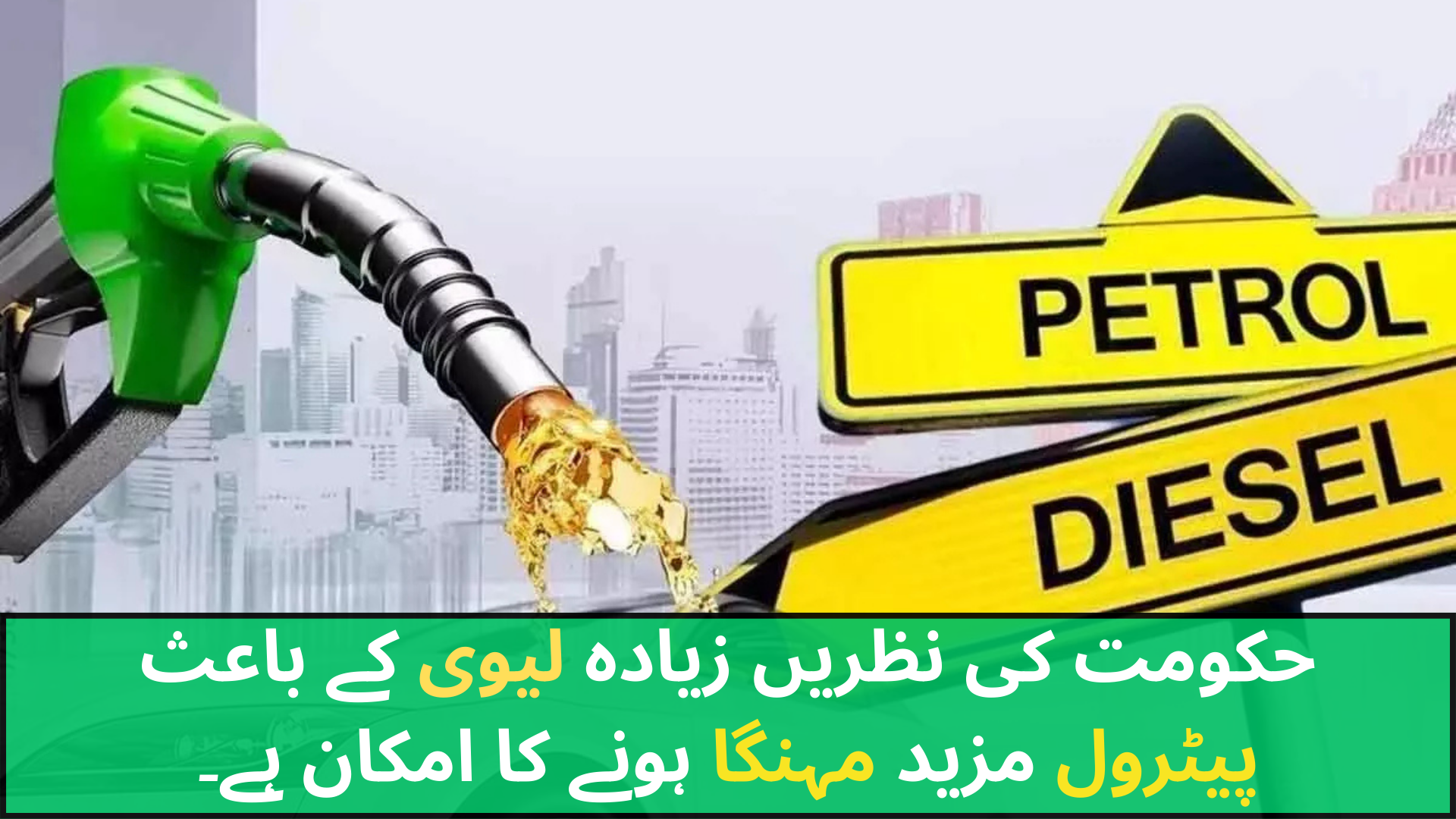

Petrol Likely to Become More Expensive as Govt Eyes Higher Levy. Petrol prices in Pakistan may increase in the coming months as the federal government considers raising the petroleum levy. The proposal aims to address the growing gas sector circular debt, which has become a major concern for economic managers.
The plan was reviewed this week at the level of Finance Minister Muhammad Aurangzeb and is part of broader energy sector reforms being discussed with the International Monetary Fund.
Petroleum Levy Increase Under Review
According to officials, the government is considering increasing the petroleum levy by Rs. 5 per litre on petrol and high-speed diesel. If approved, the levy on petrol would rise from Rs. 79.62 to around Rs. 85 per litre, while diesel could see an increase from Rs. 75 to nearly Rs. 80 per litre.

This step is expected to generate substantial revenue but will also increase fuel costs for consumers across the country.
Gas Sector Circular Debt Remains a Key Challenge
Pakistan’s gas sector is facing a severe financial imbalance. As of the end of June, total gas sector circular debt is estimated at around Rs. 3.3 trillion. This includes Rs. 1.7 trillion in principal liabilities and nearly Rs. 1.5 trillion in late payment surcharges.

Unlike the power sector, the gas sector does not have a fixed surcharge mechanism to service its debt. This gap has forced the government to explore alternative revenue options.
Six-Year Plan to Retire Gas Debt
Officials say the government plans to retire the principal gas debt of Rs. 1.7 trillion over a six-year period. The higher petroleum levy is expected to generate around Rs. 540 billion during this time, subject to approval by the federal cabinet and the IMF.

The debt retirement strategy also depends on preventing fresh liabilities through cost-reflective gas tariffs.
Dividends and LNG Savings Part of the Strategy
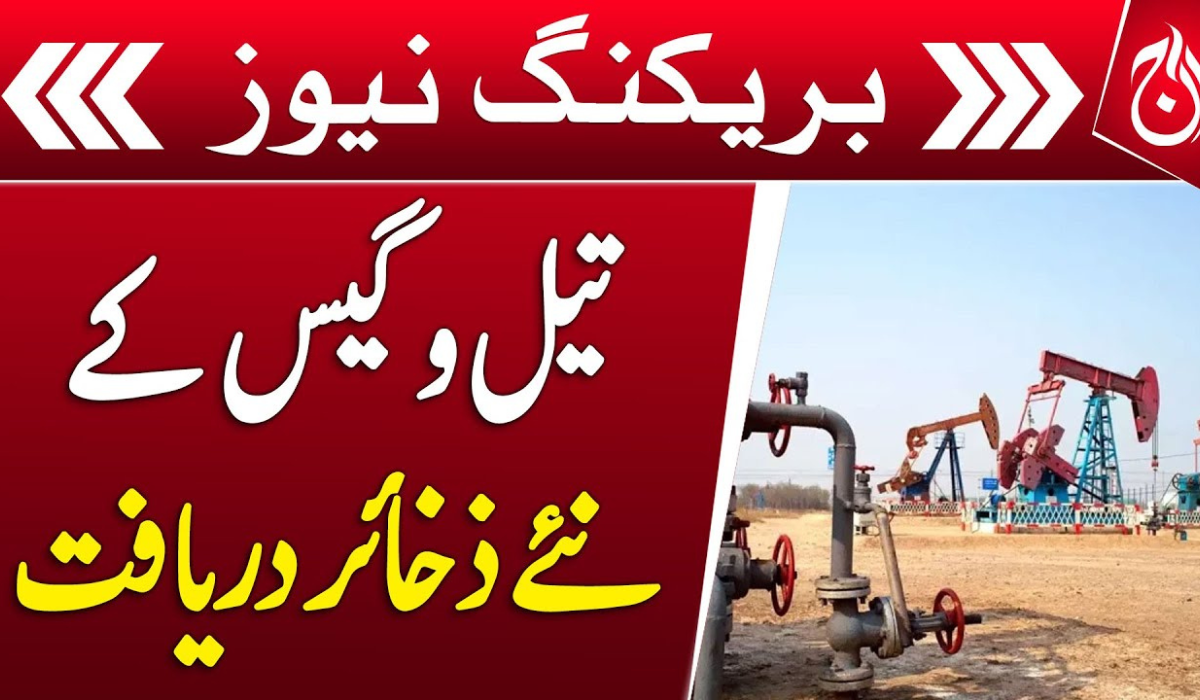
The Petroleum Division has proposed using dividends from state-owned oil and gas companies to support debt repayment. Major contributions are expected from OGDCL, Pakistan Petroleum Limited, and Government Holding Private Limited.

In addition, the plan includes savings from diverting imported LNG cargoes and recoveries, which together could add hundreds of billions of rupees for debt reduction instead of lowering gas prices.
IMF Role and Policy Conditions
The IMF has emphasized the need for gas sector reforms, including stock retirement of debt and timely tariff adjustments. While principal debt declined slightly last year due to cost-based pricing, overall liabilities continued to rise because of late payment surcharges.

Debt retirement under the new plan would be conditional on creditors agreeing to waive interest on these surcharges, similar to earlier arrangements in the power sector.
Impact on Consumers and Next Steps
If approved, the higher petroleum levy will increase fuel prices, adding pressure on inflation and household budgets. However, officials argue that the measure is necessary to stabilize the energy sector and prevent deeper financial risks.
Consultations between the Finance and Petroleum divisions are ongoing, and a final proposal will be submitted to the cabinet. The plan forms part of Pakistan’s wider IMF-backed reform agenda.
Conclusion
Petrol prices may rise as the government considers a higher petroleum levy to manage gas sector circular debt. While the move could strengthen the energy sector and meet IMF reform goals, it will increase fuel costs for consumers already facing inflationary pressure across the country.